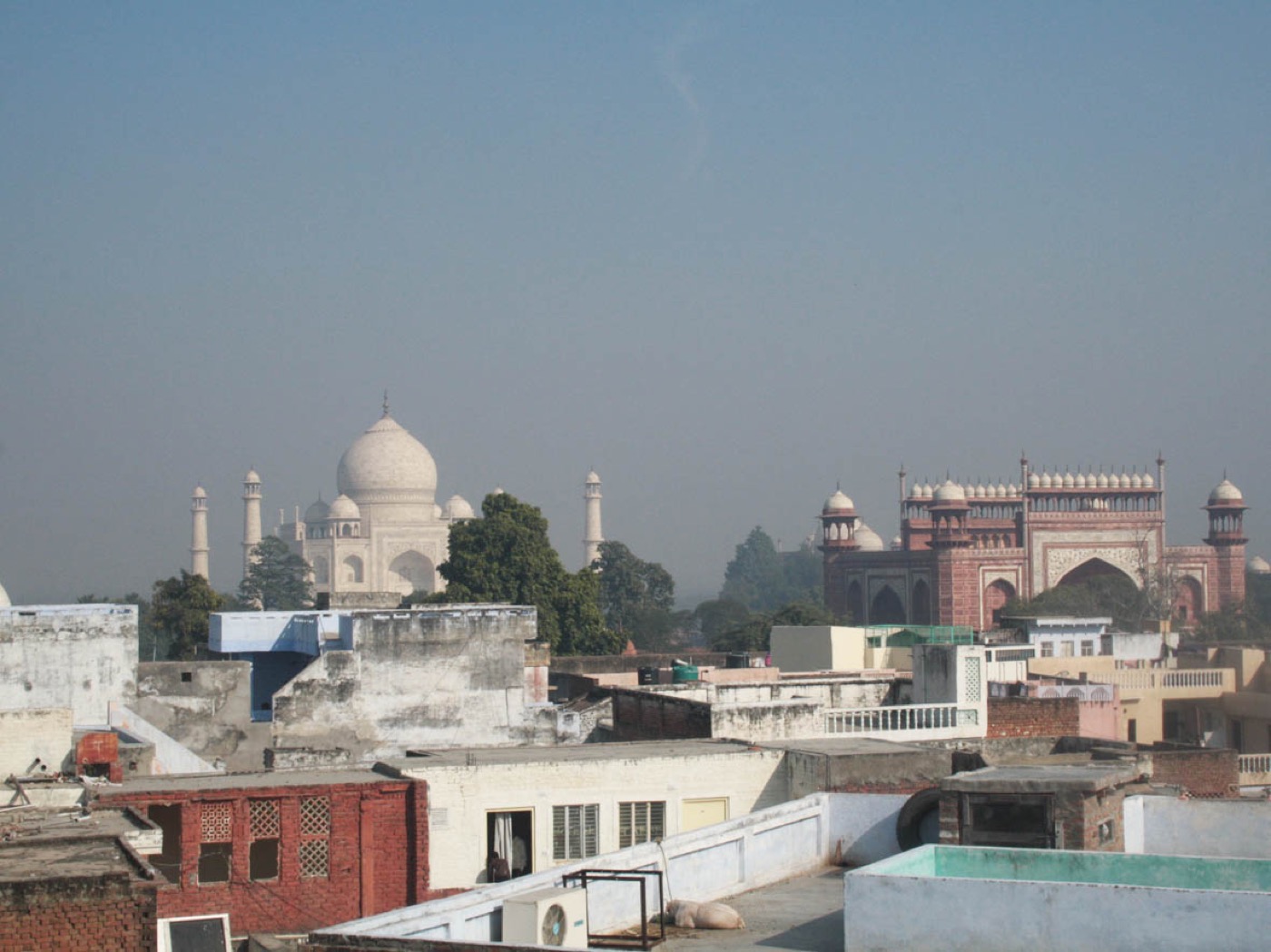
The Taj Mahal's three entry gates, East, West and South, sit right on the edge of Taj Ganj, and tourist traffic through them was irregular and unbalanced. How could tourist flow be regularised and visitor experiences made more inclusive, without disrupting the community that lives there?
Case study · National Institute of Design · Directorate of Tourism, Uttar Pradesh · Agra TODO: year
Understanding the community outside the Taj Mahal's gates to plan for tourists without disrupting it
Taj Ganj, the area right outside the forecourt of the Taj Mahal, is home to the descendants of the artisans who built it, with age-old crafts, traditions and practices. The brief was to make tourist flow through its three gates more even and inclusive without disrupting the socio-cultural fabric of the place.
The question
My role
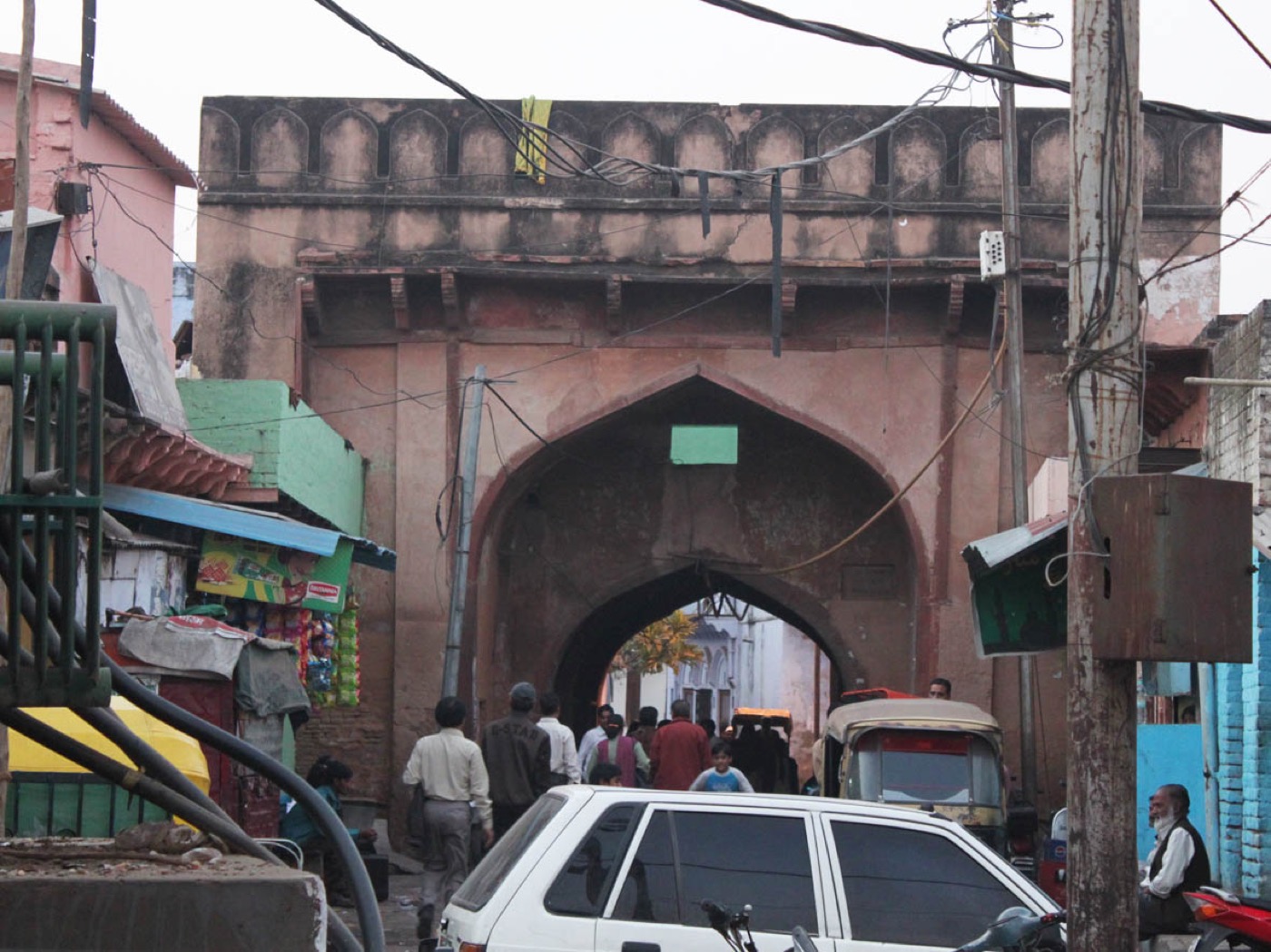
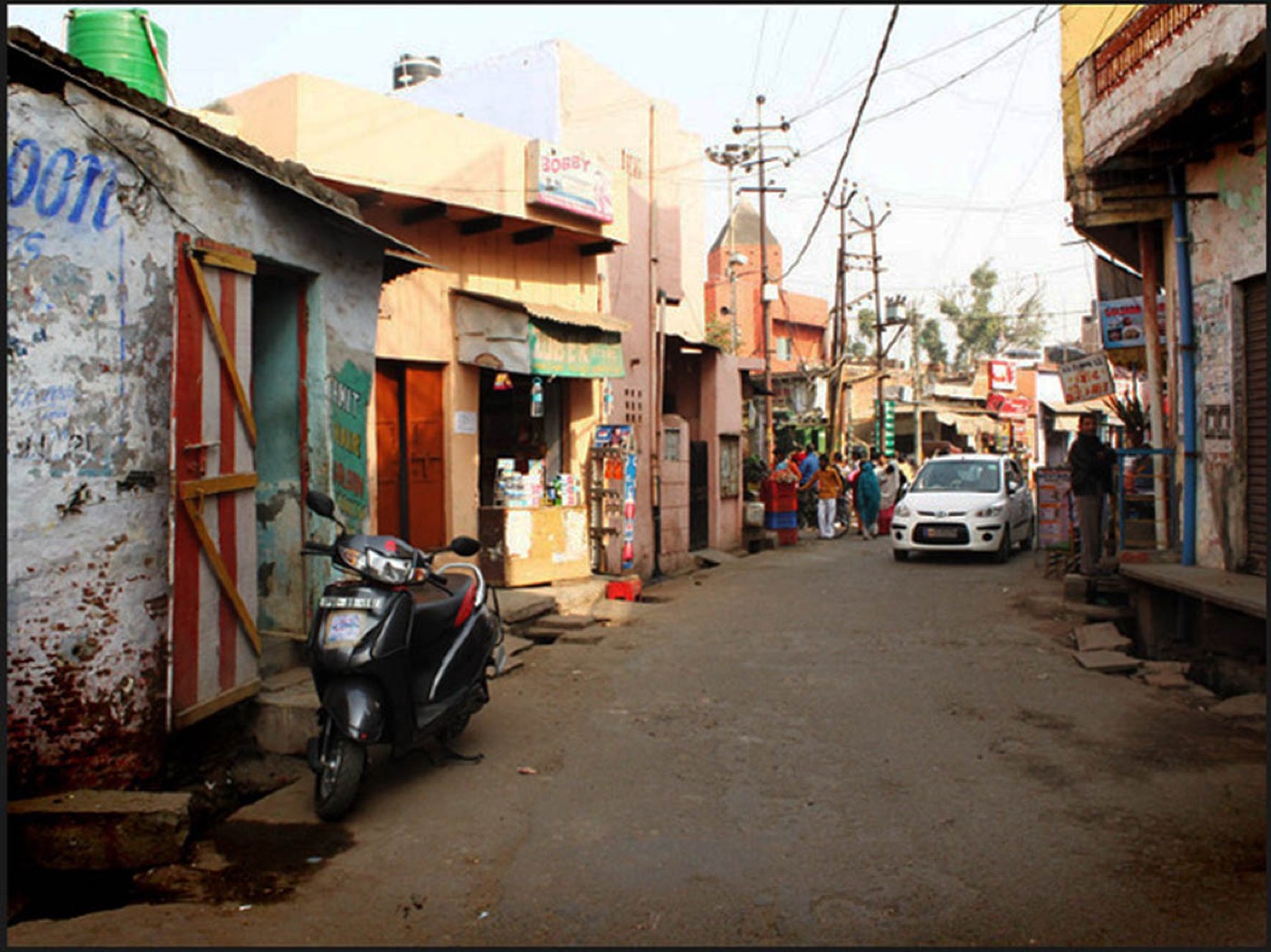
I was part of a team of field researchers from the National Institute of Design. My area of study was the residential area leading to the West Gate, one of the gates that attracts heavy tourist traffic.
Methods
- Ethnographic fieldwork
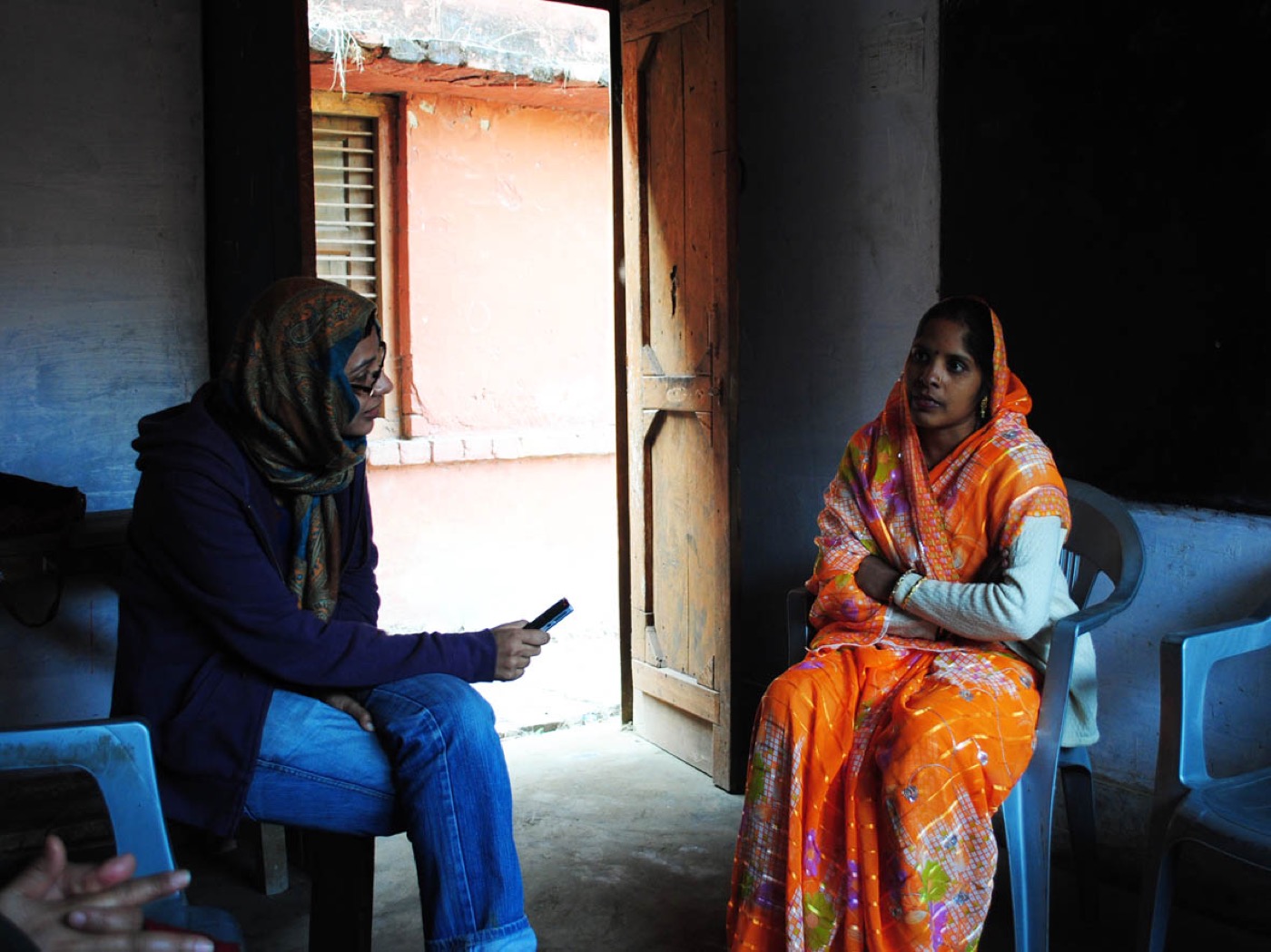
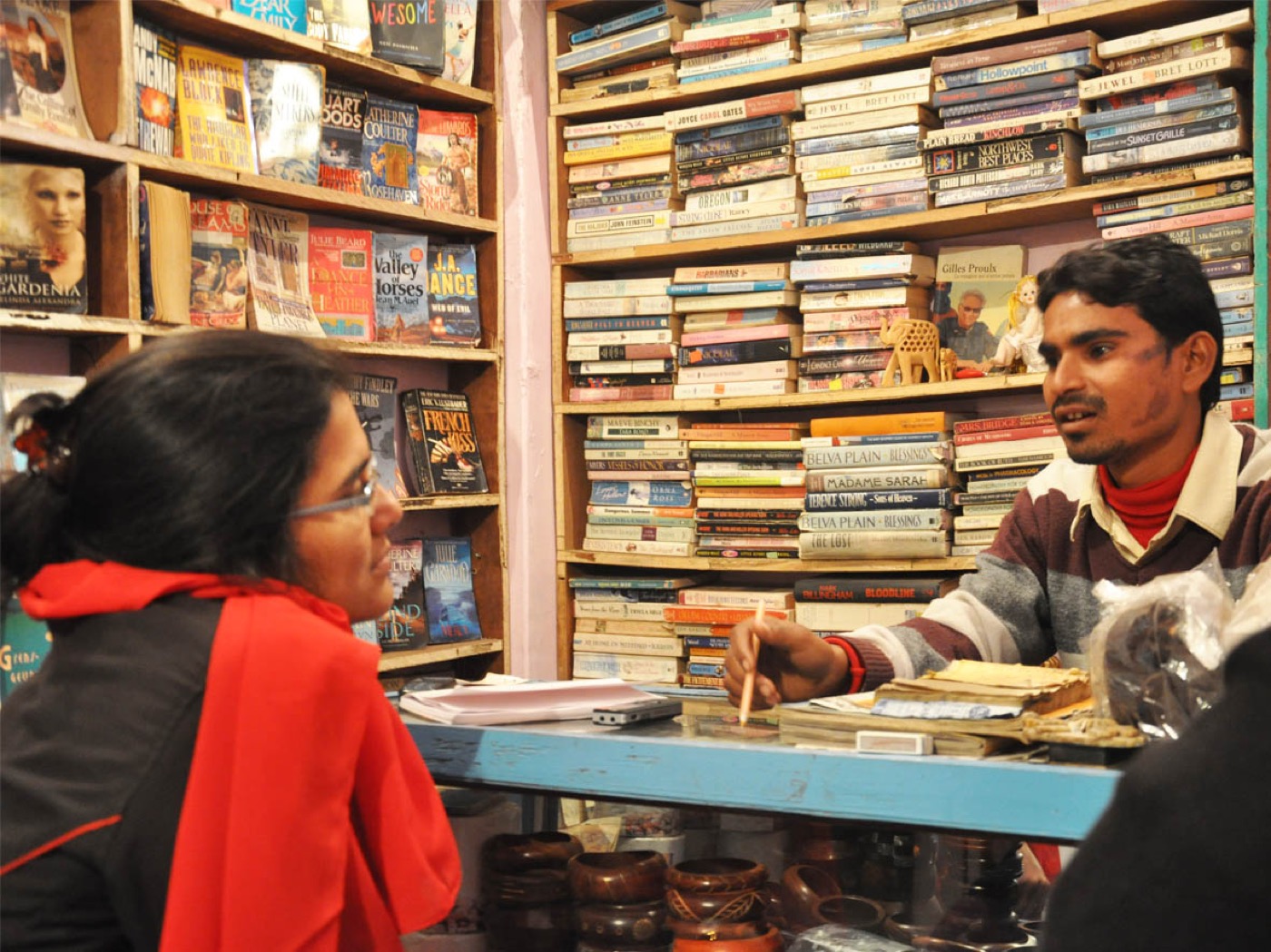
- Long interviews
- Participant observation
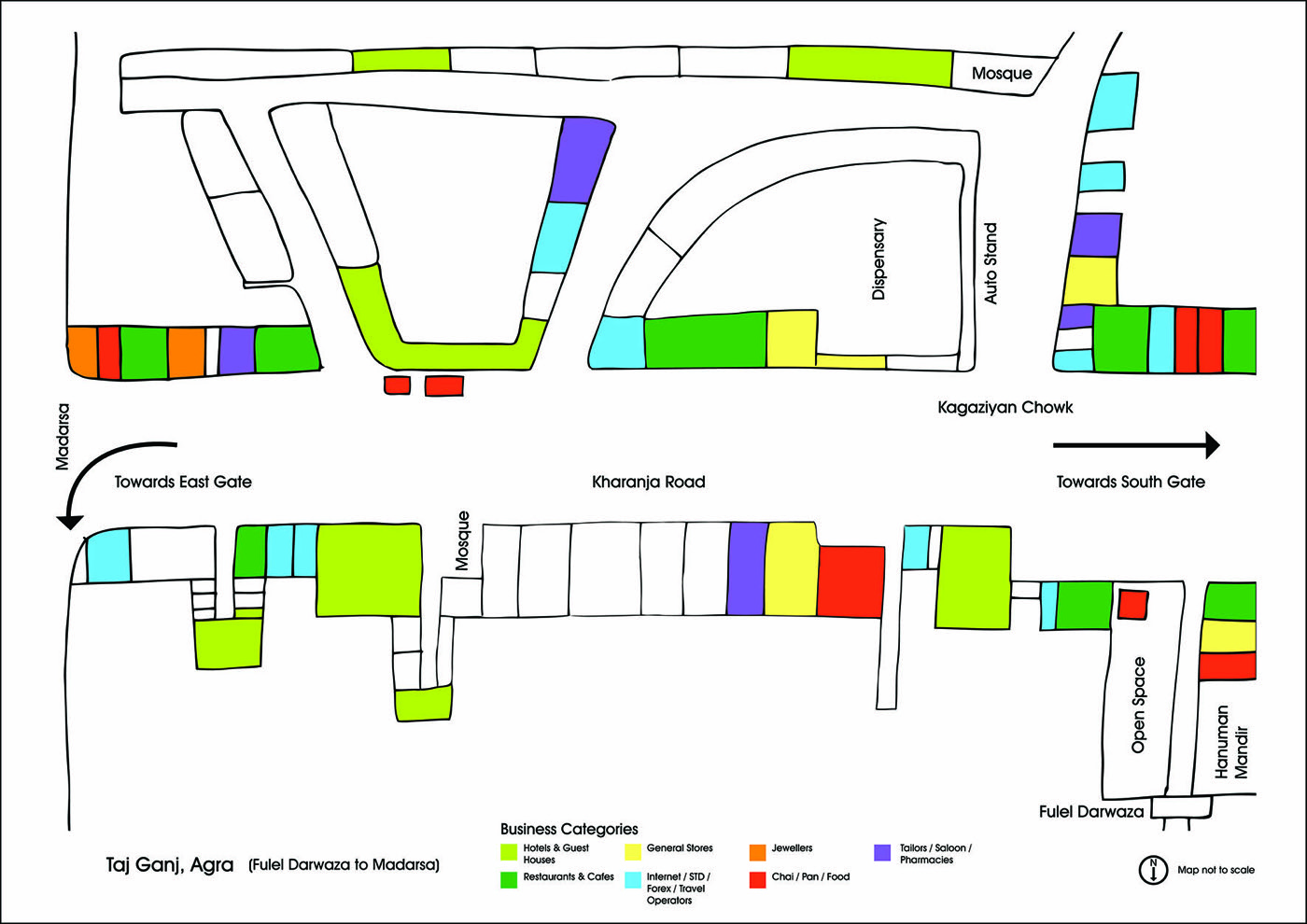
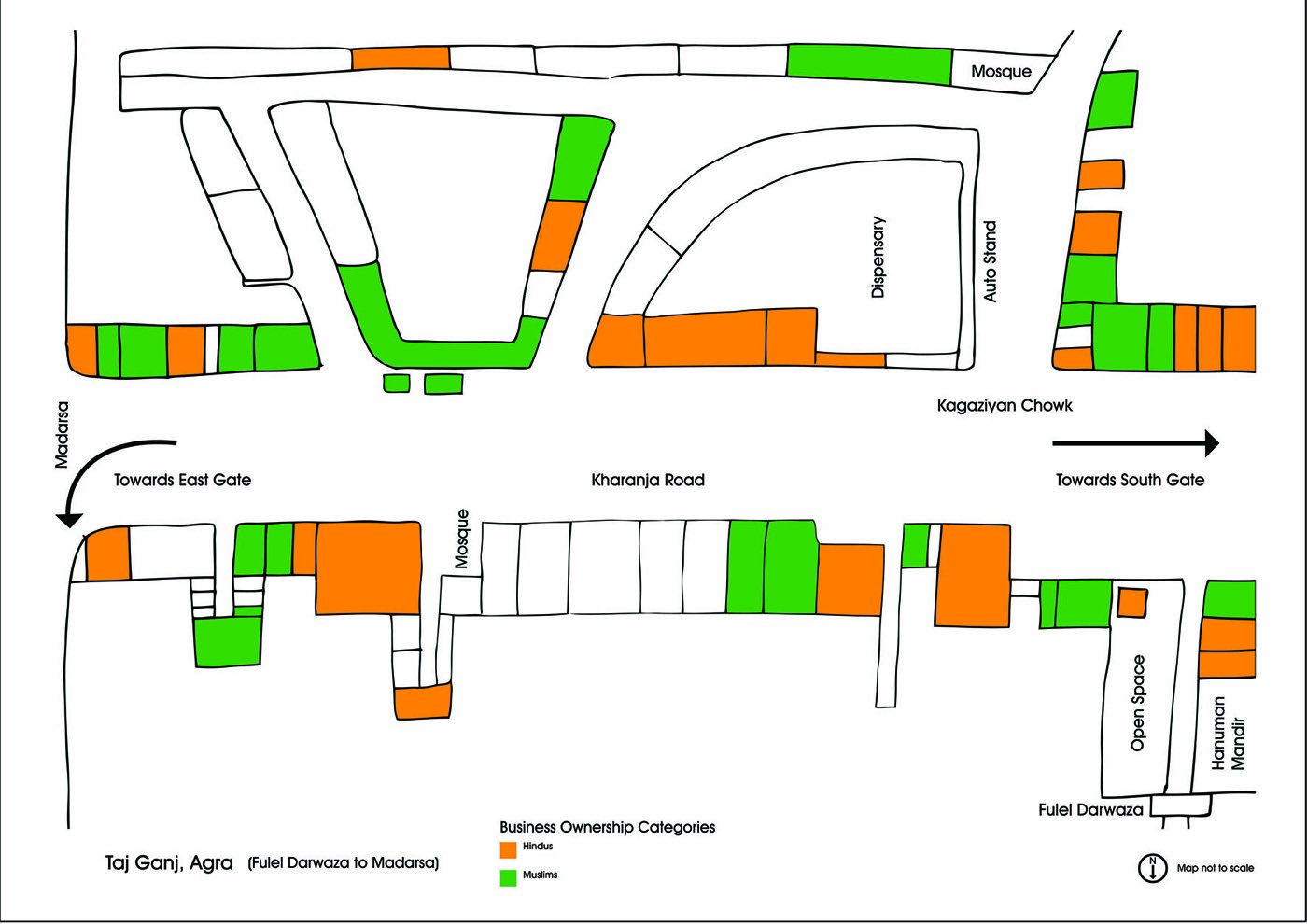
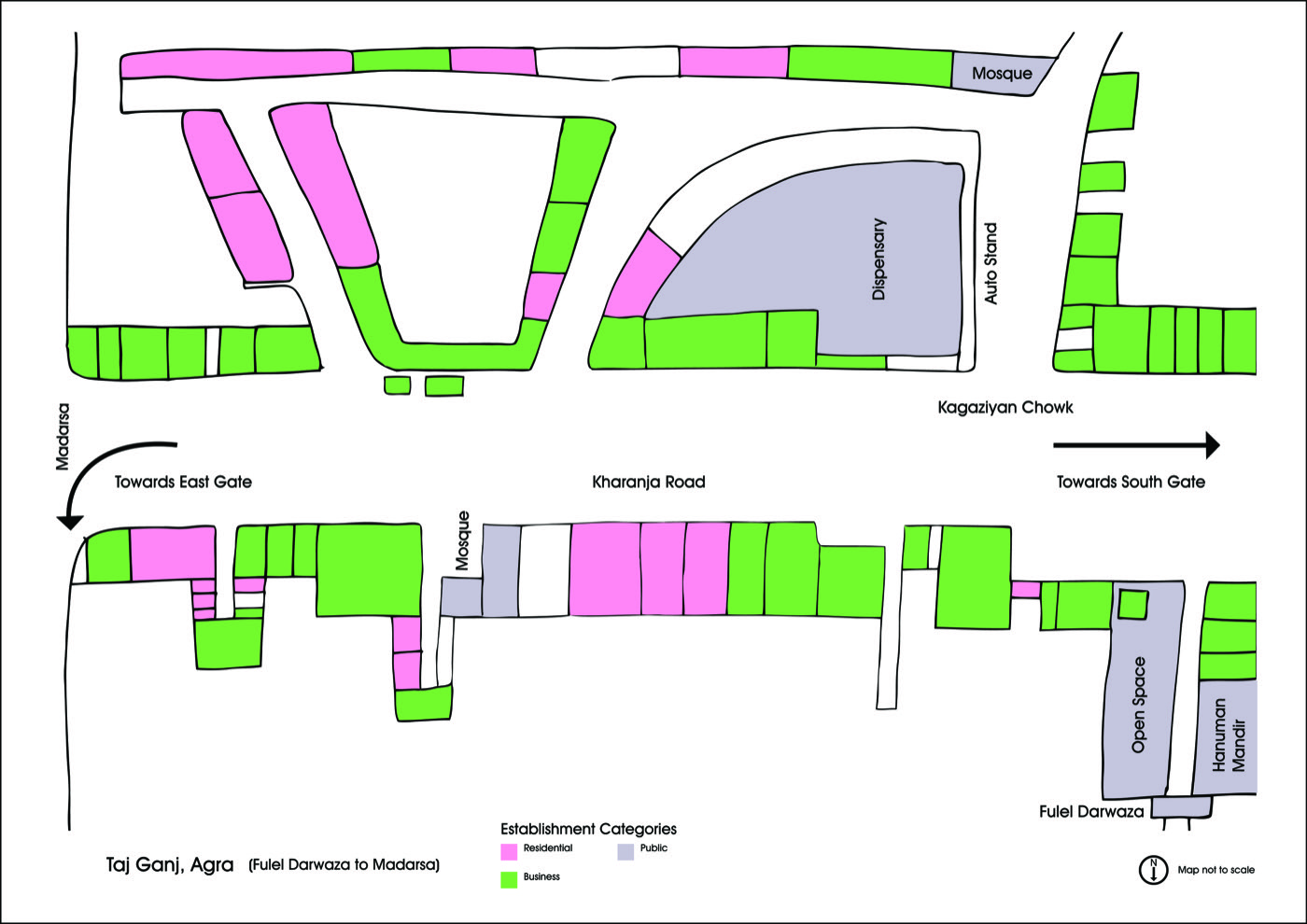
- Community mapping
- Stakeholder access & rapport
I followed the classic phenomenological approach of ethnography: engaging with the community, building rapport, gaining access to the site and its gatekeepers, detailed observation and rigorous documentation. Long interviews and participant observation were the core instruments over the two-week fieldwork. I also ran mapping exercises to understand the different demographics of the people living in the area.
Who I worked with
The National Institute of Design field research team, for the Directorate of Tourism, Uttar Pradesh, and the residents, artisans and shopkeepers of Taj Ganj.
Key insights
TODO One plain-language finding from the West Gate area, for example how residents' livelihoods depended on tourist routes.
Impact
- The team's data was collated into a report for an integrated heritage-based development plan for Taj Ganj.
- A master plan followed, covering modernisation and sustainable livelihoods, conservation of built heritage, protection of intangible cultural heritage, and unique visitor experiences, then in development and implementation. TODO: confirm current status
- Report: Taj Ganj: Taking Our Heritage Forward (Scribd)
Artifacts